Join
Back to Events

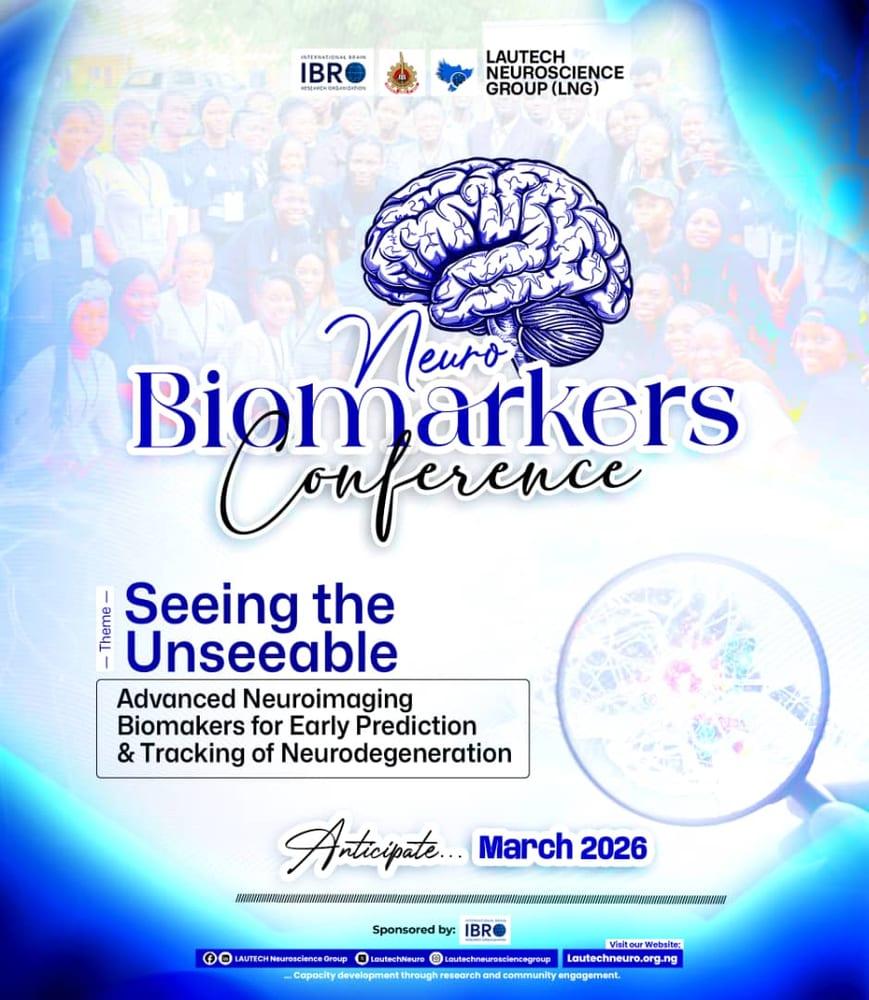
Neurobiomarkers Conference 2026

MARCH10-112026

The Neurobiomarkers Conference was a premier multidisciplinary scientific meeting dedicated to advancing the discovery, validation, and clinical application of biomarkers in neuroscience. As neurodegenerative disorders continue to present growing public health challenges worldwide—particularly in low- and middle-income countries—the need for reliable biomarkers to support early diagnosis, disease stratification, prognosis, and treatment monitoring has never been more urgent.

The conference provided a dynamic platform for researchers, clinicians, industry professionals, and students to explore emerging biomarkers across molecular, cellular, genetic, imaging, electrophysiological, and digital domains. By fostering meaningful dialogue between basic scientists and translational researchers, the event bridged the critical gap between laboratory innovation and real-world clinical implementation.

With a strong emphasis on context-relevant neuroscience, the conference highlighted biomarker research applicable to African populations and resource-limited settings. The program featured keynote lectures from leading experts, panel discussions, selected oral and poster presentations, and interactive workshops focused on methodological advances, ethical considerations, and practical clinical applications.

Over three days of scientific exchange and professional networking, participants gained valuable insights, built collaborative partnerships, and contributed to shaping the future of neurobiomarker science. Bringing together established investigators, early-career researchers, and clinicians seeking to deepen their expertise, the conference delivered an inspiring and impactful experience at the forefront of neuroscience research.

#Neurobiomarkers2026

Neurobiomarkers Conference 2026 flyer

Featured Speakers

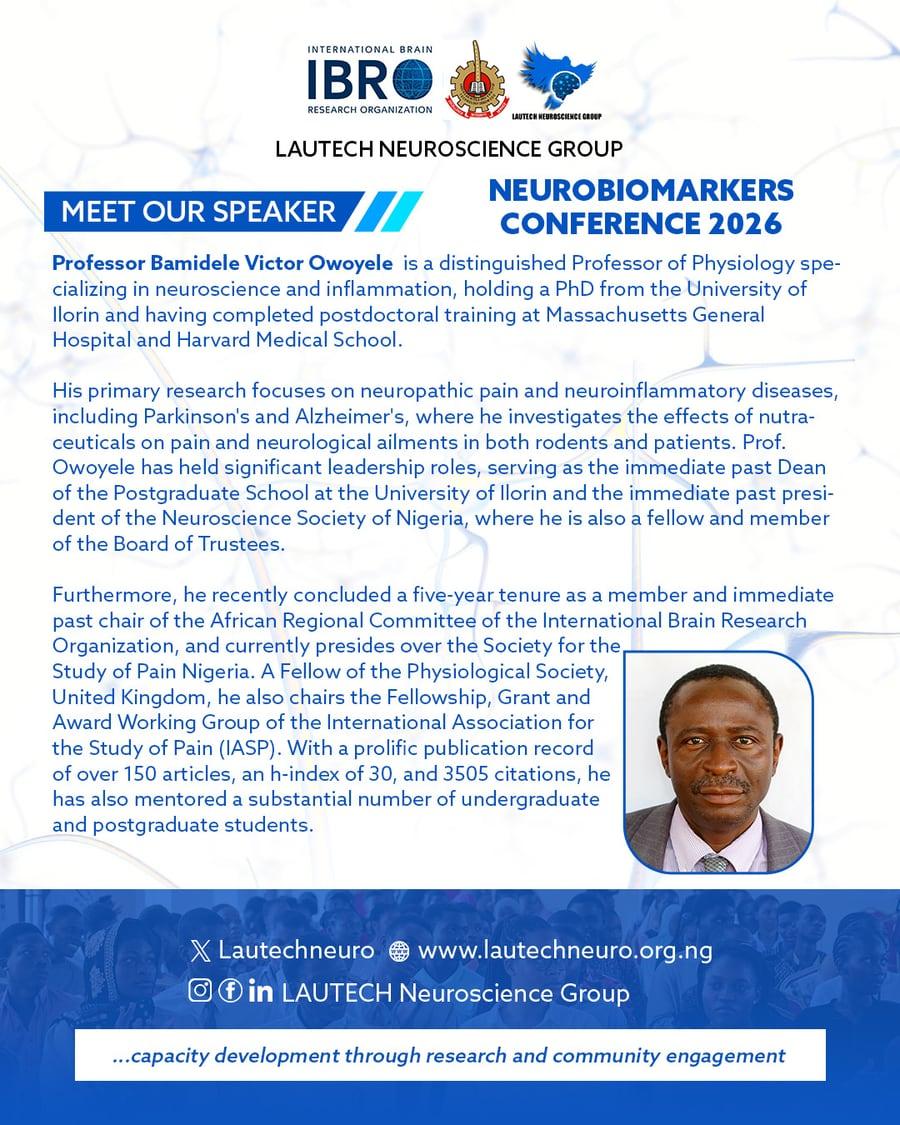
Prof. Bamidele Victor Owoyele

Professor of Physiology, University of Ilorin

Professor Bamidele Victor Owoyele is a distinguished Professor of Physiology specializing in neuroscience and inflammation, holding a PhD from the University of Ilorin and having completed postdoctoral training at Massachusetts General Hospital and Harvard Medical School.

His primary research focuses on neuropathic pain and neuroinflammatory diseases, including Parkinson's and Alzheimer's, where he investigates the effects of nutraceuticals on pain and neurological ailments in both rodents and patients. Prof. Owoyele has held significant leadership roles, serving as the immediate past Dean of the Postgraduate School at the University of Ilorin and the immediate past president of the Neuroscience Society of Nigeria, where he is also a fellow and member of the Board of Trustees.

Furthermore, he recently concluded a five-year tenure as a member and immediate past chair of the African Regional Committee of the International Brain Research Organization, and currently presides over the Society for the Study of Pain Nigeria. A Fellow of the Physiological Society, United Kingdom, he also chairs the Fellowship, Grant and Award Working Group of the International Association for the Study of Pain (IASP). With a prolific publication record of over 150 articles, an h-index of 30, and 3505 citations, he has also mentored a substantial number of undergraduate and postgraduate students.
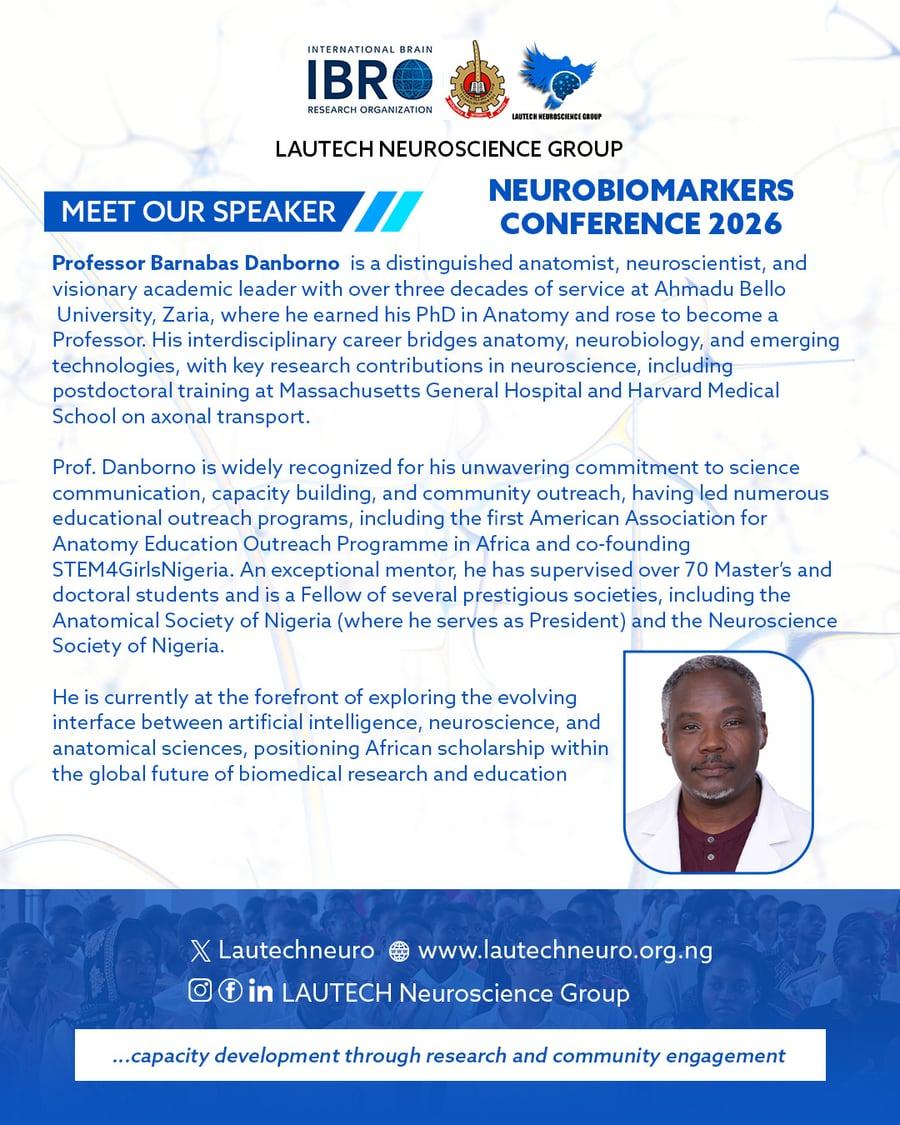
Professor Barnabas Danborno

Professor of Anatomy, Ahmadu Bello University, Zaria

Professor Barnabas Danborno is a distinguished anatomist, neuroscientist, and visionary academic leader with over three decades of service at Ahmadu Bello University, Zaria, where he earned his PhD in Anatomy and rose to become a Professor. His interdisciplinary career bridges anatomy, neurobiology, and emerging technologies, with key research contributions in neuroscience, including postdoctoral training at Massachusetts General Hospital and Harvard Medical School on axonal transport.

Prof. Danborno is widely recognized for his unwavering commitment to science communication, capacity building, and community outreach, having led numerous educational outreach programs, including the first American Association for Anatomy Education Outreach Programme in Africa and co-founding STEM4GirlsNigeria. An exceptional mentor, he has supervised over 70 Master's and doctoral students and is a Fellow of several prestigious societies, including the Anatomical Society of Nigeria (where he serves as President) and the Neuroscience Society of Nigeria.

He is currently at the forefront of exploring the evolving interface between artificial intelligence, neuroscience, and anatomical sciences, positioning African scholarship within the global future of biomedical research and education.

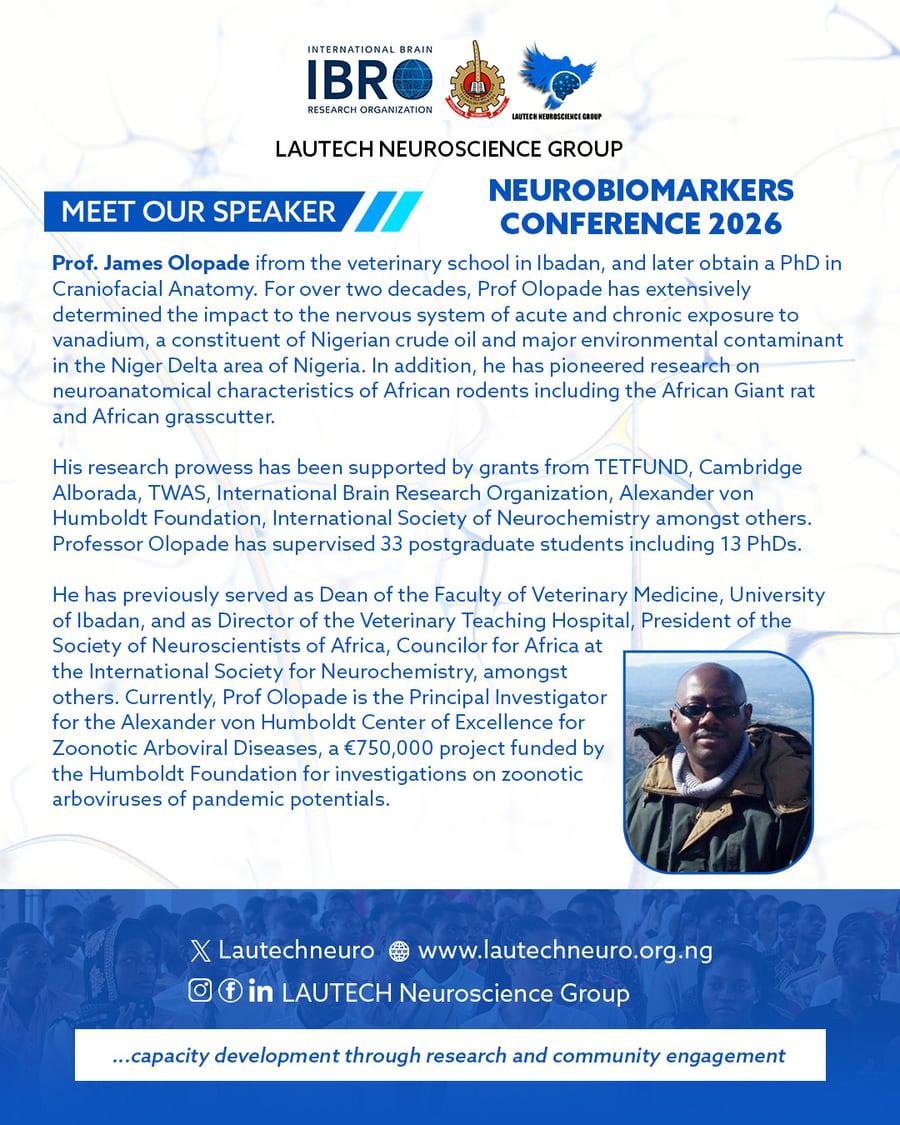
Prof. James Olopade

Director, Veterinary Hospital, University of Ibadan

Prof. James Olopade trained at the veterinary school in Ibadan, and later obtained a PhD in Craniofacial Anatomy. For over two decades, Prof. Olopade has extensively determined the impact to the nervous system of acute and chronic exposure to vanadium, a constituent of Nigerian crude oil and major environmental contaminant in the Niger Delta area of Nigeria. In addition, he has pioneered research on neuroanatomical characteristics of African rodents including the African Giant rat and African grasscutter.

His research prowess has been supported by grants from TETFUND, Cambridge Alborada, TWAS, International Brain Research Organization, Alexander von Humboldt Foundation, International Society of Neurochemistry amongst others. Professor Olopade has supervised 33 postgraduate students including 13 PhDs.

He has previously served as Dean of the Faculty of Veterinary Medicine, University of Ibadan, and as Director of the Veterinary Teaching Hospital, President of the Society of Neuroscientists of Africa, Councilor for Africa at the International Society for Neurochemistry, amongst others. Currently, Prof Olopade is the Principal Investigator for the Alexander von Humboldt Center of Excellence for Zoonotic Arboviral Diseases, a €750,000 project funded by the Humboldt Foundation for investigations on zoonotic arboviruses of pandemic potentials.

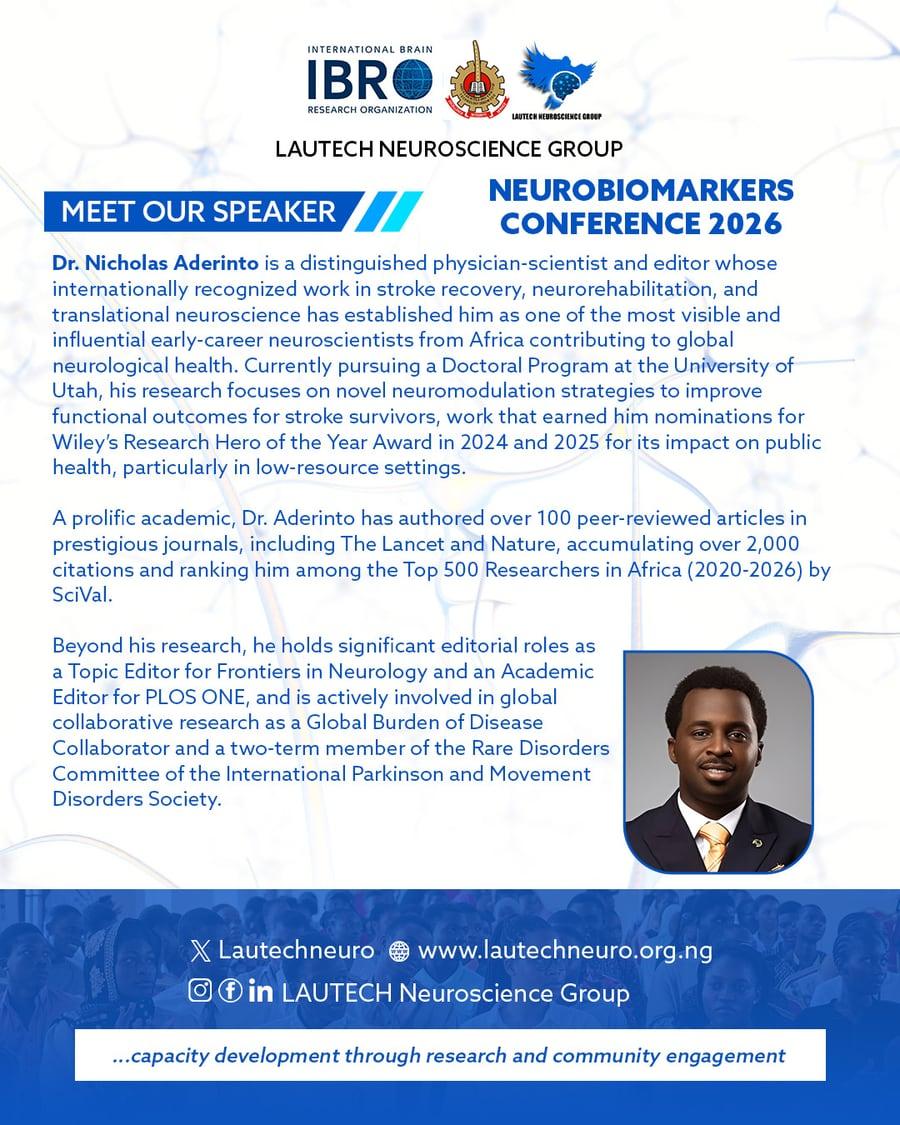
Dr. Nicholas Aderinto

Physician-Scientist; Doctoral Researcher, University of Utah

Dr. Nicholas Aderinto is a distinguished physician-scientist and editor whose internationally recognized work in stroke recovery, neurorehabilitation, and translational neuroscience has established him as one of the most visible and influential early-career neuroscientists from Africa contributing to global neurological health. Currently pursuing a Doctoral Program at the University of Utah, his research focuses on novel neuromodulation strategies to improve functional outcomes for stroke survivors, work that earned him nominations for Wiley's Research Hero of the Year Award in 2024 and 2025 for its impact on public health, particularly in low-resource settings.

A prolific academic, Dr. Aderinto has authored over 100 peer-reviewed articles in prestigious journals, including The Lancet and Nature, accumulating over 2,000 citations and ranking him among the Top 500 Researchers in Africa (2020-2026) by SciVal.

Beyond his research, he holds significant editorial roles as a Topic Editor for Frontiers in Neurology and an Academic Editor for PLOS ONE, and is actively involved in global collaborative research as a Global Burden of Disease Collaborator and a two-term member of the Rare Disorders Committee of the International Parkinson and Movement Disorders Society.

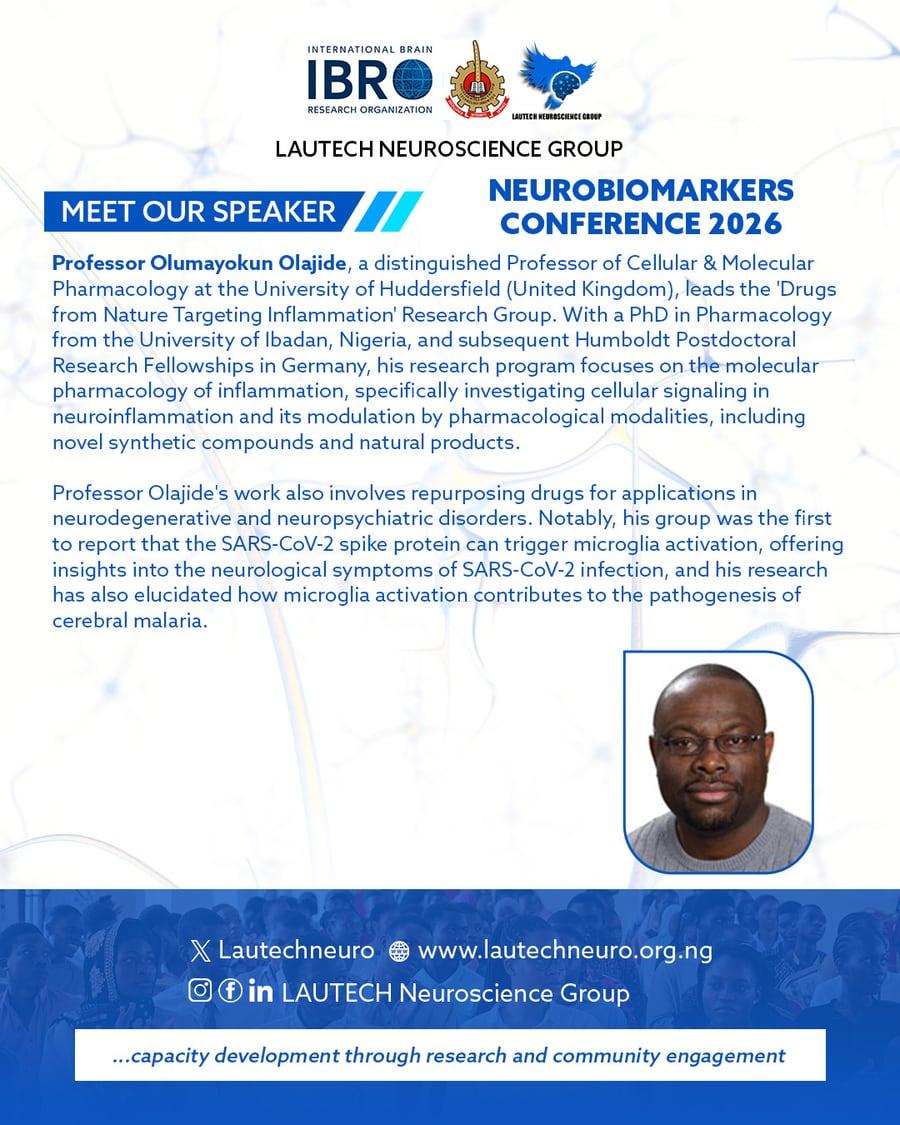
Professor Olumayokun Olajide

Professor of Cellular & Molecular Pharmacology, University of Huddersfield

Professor Olumayokun Olajide, a distinguished Professor of Cellular & Molecular Pharmacology at the University of Huddersfield (United Kingdom), leads the 'Drugs from Nature Targeting Inflammation' Research Group. With a PhD in Pharmacology from the University of Ibadan, Nigeria, and subsequent Humboldt Postdoctoral Research Fellowships in Germany, his research program focuses on the molecular pharmacology of inflammation, specifically investigating cellular signaling in neuroinflammation and its modulation by pharmacological modalities, including novel synthetic compounds and natural products.

Professor Olajide's work also involves repurposing drugs for applications in neurodegenerative and neuropsychiatric disorders. Notably, his group was the first to report that the SARS-CoV-2 spike protein can trigger microglia activation, offering insights into the neurological symptoms of SARS-CoV-2 infection, and his research has also elucidated how microglia activation contributes to the pathogenesis of cerebral malaria.

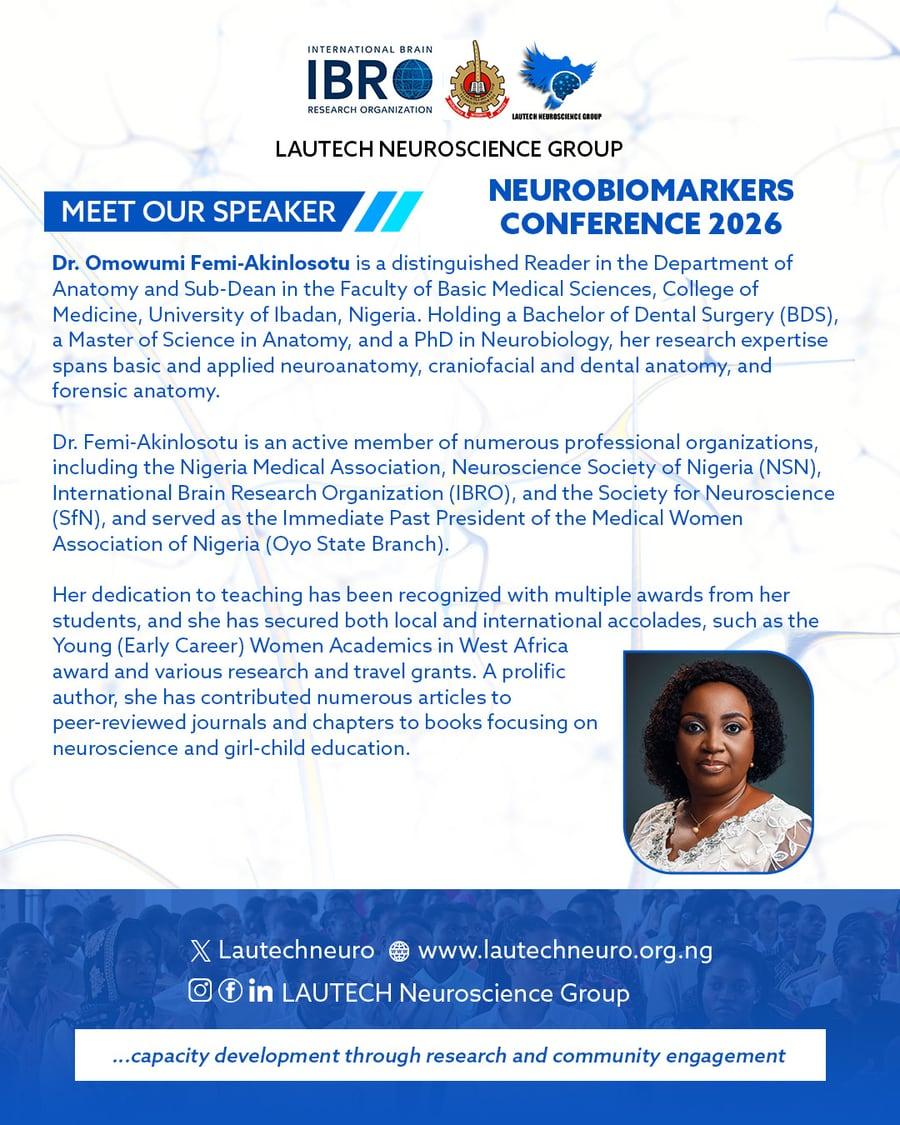
Dr. Omowumi Femi-Akinlosotu

Reader, Department of Anatomy; Sub-Dean, Faculty of Basic Medical Sciences, University of Ibadan

Dr. Omowumi Femi-Akinlosotu is a distinguished Reader in the Department of Anatomy and Sub-Dean in the Faculty of Basic Medical Sciences, College of Medicine, University of Ibadan, Nigeria. Holding a Bachelor of Dental Surgery (BDS), a Master of Science in Anatomy, and a PhD in Neurobiology, her research expertise spans basic and applied neuroanatomy, craniofacial and dental anatomy, and forensic anatomy.

Dr. Femi-Akinlosotu is an active member of numerous professional organizations, including the Nigeria Medical Association, Neuroscience Society of Nigeria (NSN), International Brain Research Organization (IBRO), and the Society for Neuroscience (SfN), and served as the Immediate Past President of the Medical Women Association of Nigeria (Oyo State Branch).

Her dedication to teaching has been recognized with multiple awards from her students, and she has secured both local and international accolades, such as the Young (Early Career) Women Academics in West Africa award and various research and travel grants. A prolific author, she has contributed numerous articles to peer-reviewed journals and chapters to books focusing on neuroscience and girl-child education.

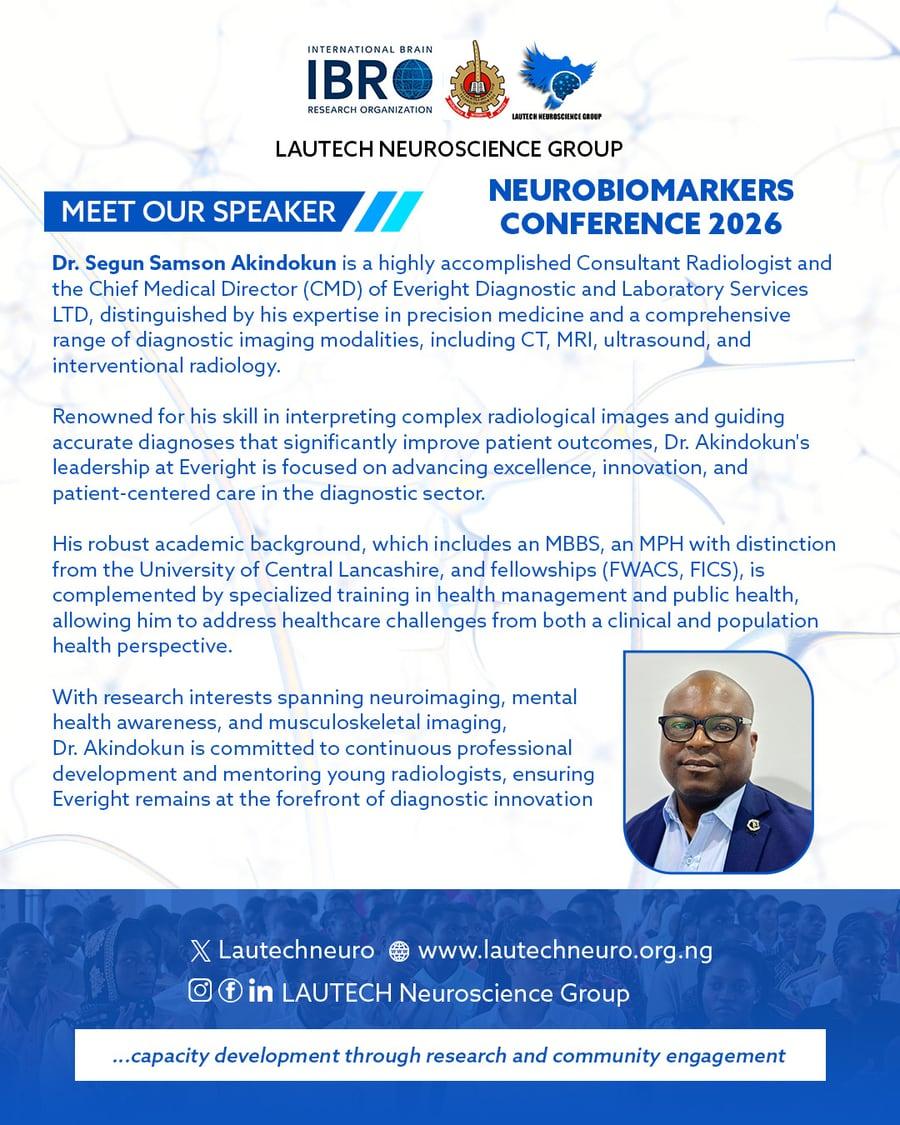
Dr. Segun Samson Akindokun

MBBS, FWACS, FICS, MPH, Consultant Radiologist, Everight Diagnostic and Laboratory Services Limited

Dr. Segun Samson Akindokun is a highly accomplished Consultant Radiologist and the Chief Medical Director (CMD) of Everight Diagnostic and Laboratory Services LTD, distinguished by his expertise in precision medicine and a comprehensive range of diagnostic imaging modalities, including CT, MRI, ultrasound, and interventional radiology.

Renowned for his skill in interpreting complex radiological images and guiding accurate diagnoses that significantly improve patient outcomes, Dr. Akindokun's leadership at Everight is focused on advancing excellence, innovation, and patient-centered care in the diagnostic sector.

His robust academic background, which includes an MBBS, an MPH with distinction from the University of Central Lancashire, and fellowships (FWACS, FICS), is complemented by specialized training in health management and public health, allowing him to address healthcare challenges from both a clinical and population health perspective.

With research interests spanning neuroimaging, mental health awareness, and musculoskeletal imaging, Dr. Akindokun is committed to continuous professional development and mentoring young radiologists, ensuring Everight remains at the forefront of diagnostic innovation.

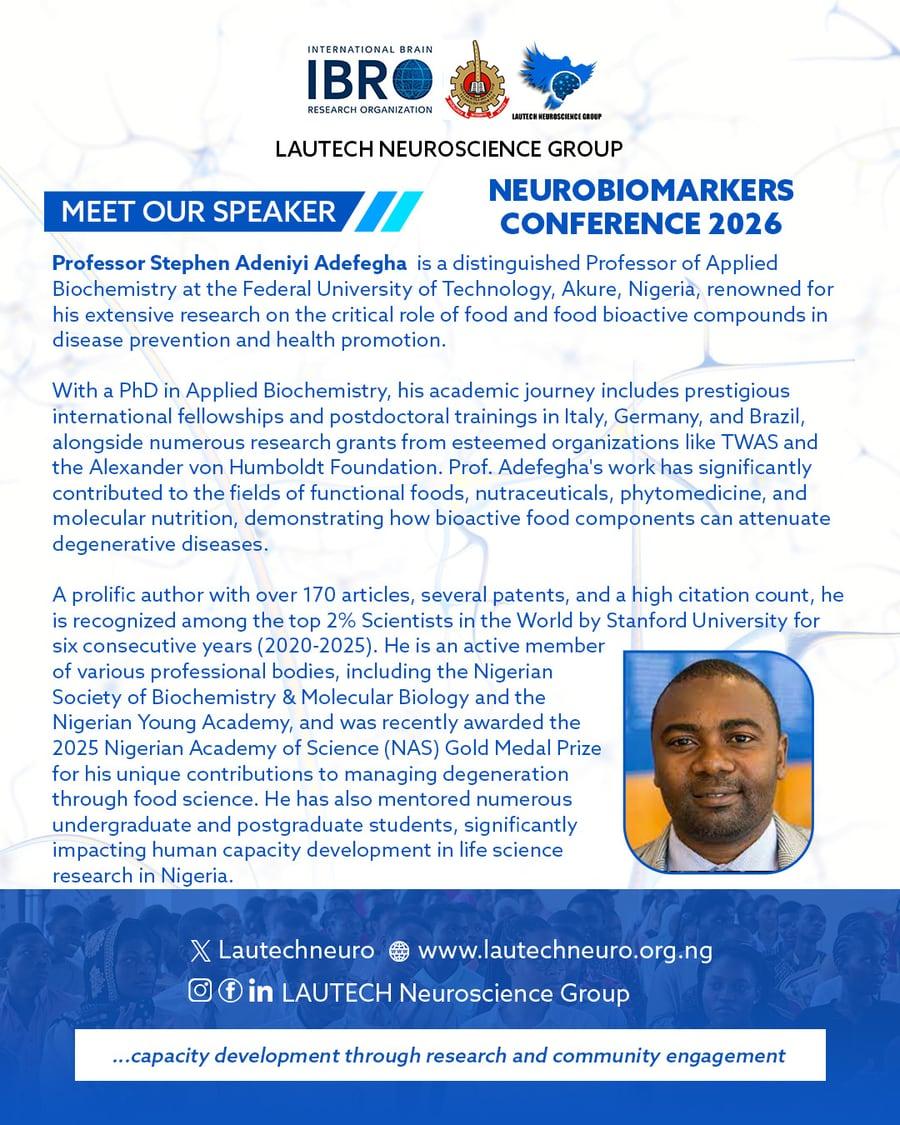
Professor Stephen Adeniyi Adefegha

Professor of Applied Biochemistry, Federal University of Technology, Akure

Professor Stephen Adeniyi Adefegha is a distinguished Professor of Applied Biochemistry at the Federal University of Technology, Akure, Nigeria, renowned for his extensive research on the critical role of food and food bioactive compounds in disease prevention and health promotion.

With a PhD in Applied Biochemistry, his academic journey includes prestigious international fellowships and postdoctoral trainings in Italy, Germany, and Brazil, alongside numerous research grants from esteemed organizations like TWAS and the Alexander von Humboldt Foundation. Prof. Adefegha's work has significantly contributed to the fields of functional foods, nutraceuticals, phytomedicine, and molecular nutrition, demonstrating how bioactive food components can attenuate degenerative diseases.

A prolific author with over 170 articles, several patents, and a high citation count, he is recognized among the top 2% Scientists in the World by Stanford University for six consecutive years (2020-2025). He is an active member of various professional bodies, including the Nigerian Society of Biochemistry & Molecular Biology and the Nigerian Young Academy, and was recently awarded the 2025 Nigerian Academy of Science (NAS) Gold Medal Prize for his unique contributions to managing degeneration through food science. He has also mentored numerous undergraduate and postgraduate students, significantly impacting human capacity development in life science research in Nigeria.

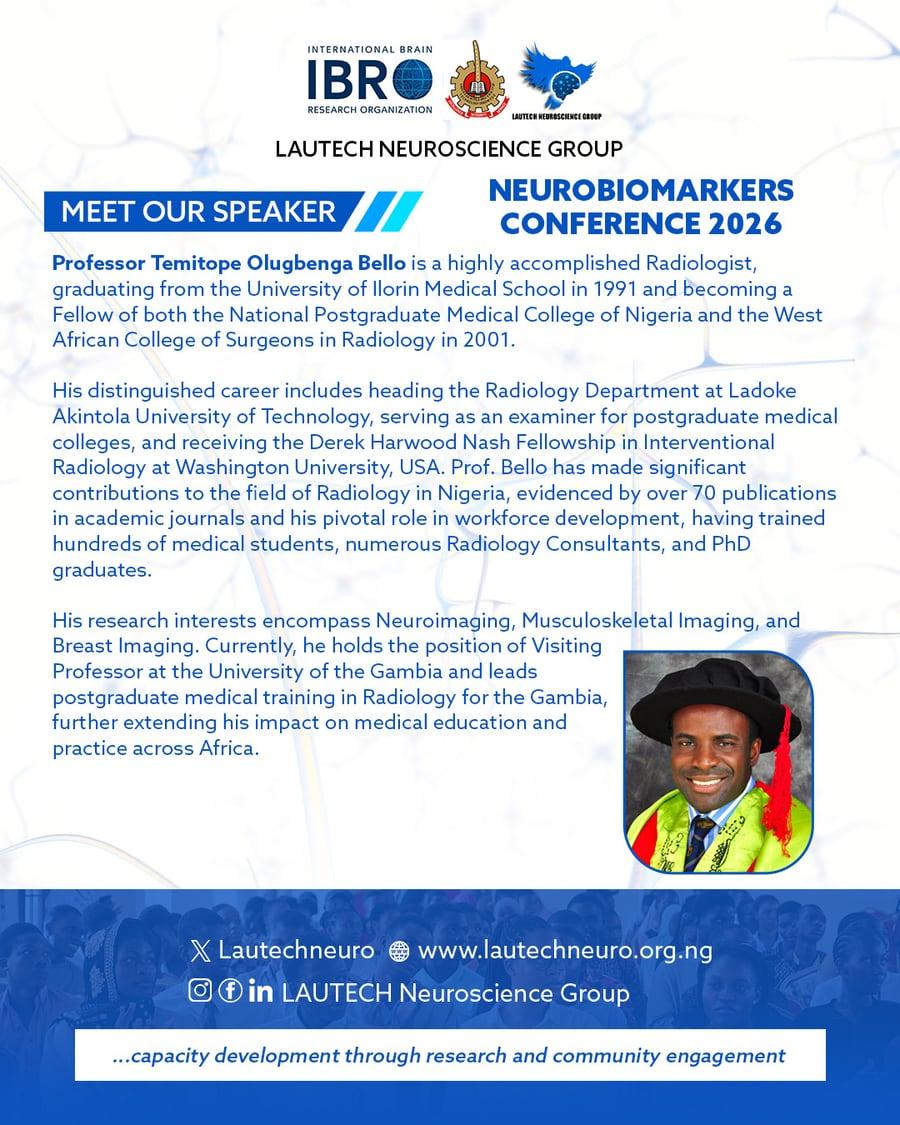
Professor Temitope Olugbenga Bello

Professor of Radiology; Visiting Professor, University of the Gambia

Professor Temitope Olugbenga Bello is a highly accomplished Radiologist, graduating from the University of Ilorin Medical School in 1991 and becoming a Fellow of both the National Postgraduate Medical College of Nigeria and the West African College of Surgeons in Radiology in 2001.

His distinguished career includes heading the Radiology Department at Ladoke Akintola University of Technology, serving as an examiner for postgraduate medical colleges, and receiving the Derek Harwood Nash Fellowship in Interventional Radiology at Washington University, USA. Prof. Bello has made significant contributions to the field of Radiology in Nigeria, evidenced by over 70 publications in academic journals and his pivotal role in workforce development, having trained hundreds of medical students, numerous Radiology Consultants, and PhD graduates.

His research interests encompass Neuroimaging, Musculoskeletal Imaging, and Breast Imaging. Currently, he holds the position of Visiting Professor at the University of the Gambia and leads postgraduate medical training in Radiology for the Gambia, further extending his impact on medical education and practice across Africa.